Hospitality assets in Lambton County sit at the intersection of two distinct demand stories: the steady pull of industrial and cross‑border business travel anchored by Sarnia’s Chemical Valley and the sharp seasonality of Lake Huron’s shoreline, from Grand Bend and Ipperwash to the marinas around Point Edward. Any commercial real estate appraisal in Lambton County that treats hotels like generic income properties will miss the nuances. The revenue picture changes week to week, the cost structure carries brand and operational layers that do not belong in real property value, and local factors, from conservation authority regulations to municipal taxes, can swing an underwriting outcome.
I have appraised limited‑service flags along Highway 402, independent inns on the water, casino‑proximate hotels in Point Edward, and economy motels serving construction crews during plant turnarounds. The variety forces discipline. You need good data, the right definitions, and careful separation of real estate from business.

What counts as value in a hotel appraisal
A hotel is a going concern with three parts: the real property (land and building), the tangible personal property (FF&E like beds, casegoods, kitchen equipment), and intangible assets tied to the business, such as the brand system and management. Lenders typically lend against the real property component. A credible commercial building appraisal in Lambton County for a hotel should estimate the total going‑concern value, then carve out FF&E and intangible contributions to isolate the real estate. In practice, that often means using the income approach to the going concern, deducting a reserve for replacement for FF&E, and applying a franchise and management fee adjustment to strip out brand and operator value. The Rushmore approach is a common framework for this allocation in Canada.
Because the revenue side reflects both rooms and ancillary lines, the appraisal must model each channel on its own merits. In Lambton County, ancillary income can be material. Conference space tied to industrial training events, marina‑driven transient traffic, casino‑related demand, and seasonal food and beverage can add or subtract from stabilized net operating income depending on execution and labor costs. A strong rooms operation paired with a chronically underperforming restaurant can cut both ways. The commercial appraiser in Lambton County has to build that picture from actuals, not a rule of thumb.
Unique market drivers in Lambton County
Sarnia’s petrochemical complex shapes weekday demand. During turnaround periods at major plants, contractors flood into the market and push occupancy to full, even at older properties. Midweek rates surge, and length of stay stretches past typical transient patterns. Outside those windows, industrial demand normalizes but still supports base occupancy, especially for limited‑service flags near Highway 402 and the Bluewater Bridge.
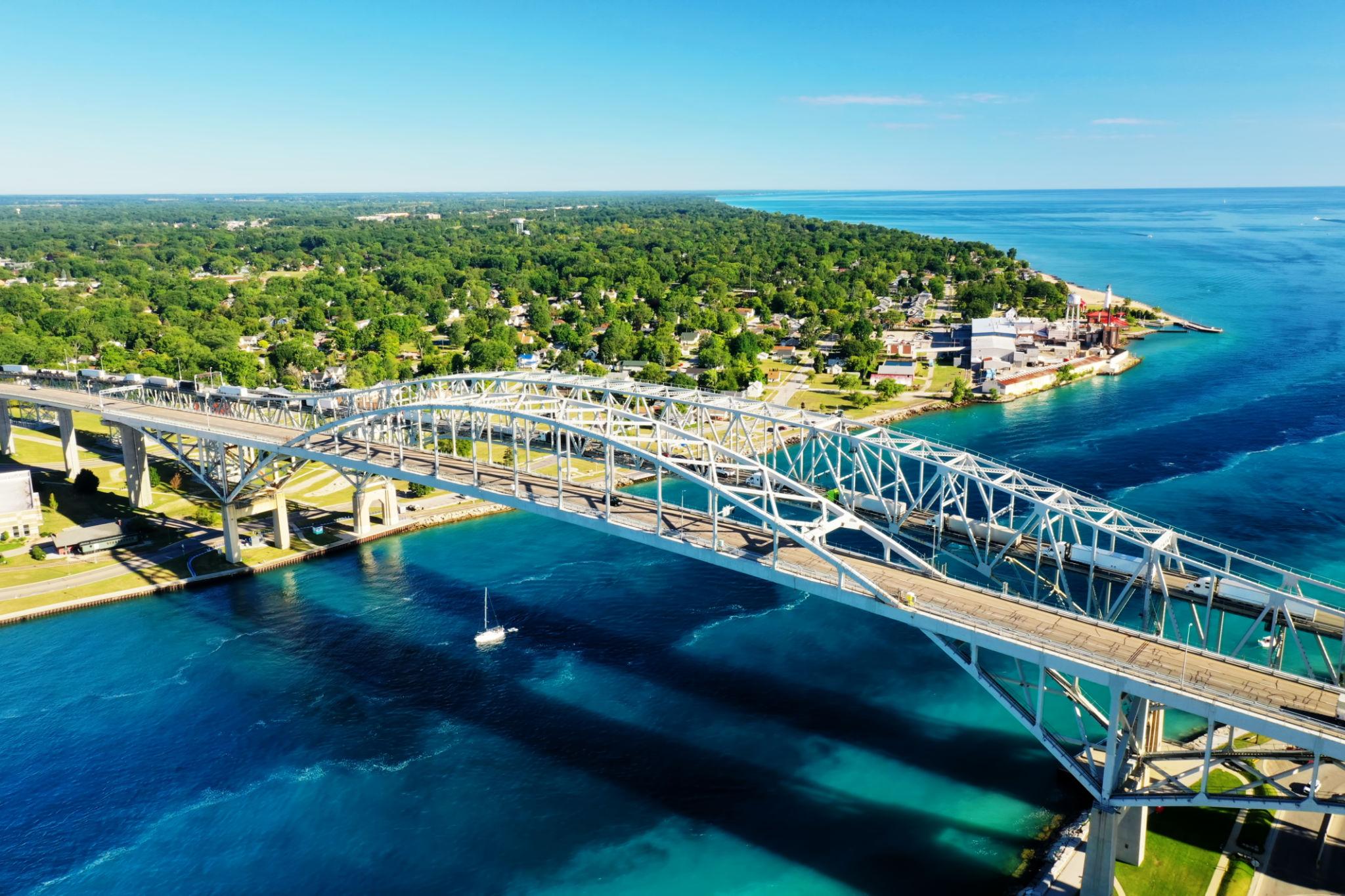
Cross‑border dynamics matter. The bridge to Port Huron feeds both business and leisure traffic. Exchange rates, border wait times, and any construction on approach roads show up in RevPAR. When the Canadian dollar weakens against the U.S. Dollar, Ontario becomes more affordable to U.S. Visitors, and your summer weekends at the lake tighten. When the loonie strengthens, some of that traffic eases.
Seasonality spikes along the Lake Huron shoreline are not subtle. In Grand Bend and nearby beach communities, summer can deliver 80 to 95 percent weekend occupancy with premium ADRs, while January weekdays struggle. Pinery Provincial Park, festivals, and marina calendars add rhythm to that curve. The appraisal needs to normalize these patterns into a twelve‑month stabilized view, not lift a pro forma from July and call it a day.
Casinos and arenas round out the demand story. The casino in Point Edward generates steady traffic and occasional surges. Youth sports tournaments and OHL games at Sarnia’s arena lift weekend group segments in shoulder seasons. These drivers are easy to overlook if you only study a 12‑month STR report without speaking to operators about event calendars and block bookings.
Scope, standards, and purpose
A hotel appraisal in Ontario should be prepared under the Canadian Uniform Standards of Professional Appraisal Practice. Lenders, investors, and courts expect that framework. The purpose is often financing or refinancing, but there are other common triggers: acquisition, expropriation influences, partnership buyouts, tax appeals, and litigation support. Clarifying the interest appraised matters. Fee simple with a typical franchise license is different from leased fee if there is a third‑party room lease or a master lease structure. For mixed‑use hospitality, such as a hotel with a separately leased restaurant or marina slips, the scope has to assign income and expenses to the correct component and reflect the market’s view of risk.
Data that carries weight
Good appraisals rest on primary and secondary data. In a market like Lambton County, where sales of hotels are infrequent, primary data often carries more weight. That means room night segmentation by day of week, direct booking share, negotiated corporate accounts tied to specific employers, and detailed seasonality curves. STR or CoStar hospitality data, where available, helps, but competitive set composition in smaller markets is tricky. An economy motel that fills with pipeline workers during a turnaround is not a direct comp to a midscale flagged property courting cross‑border leisure, even if their distance apart would suggest otherwise.
I ask operators to break down revenue beyond rooms. Parking, meeting room rentals, marina partnerships, spa revenue if applicable, and F&B split between rooms department breakfast, catering, and third‑party leases all help paint a clear picture. On expenses, housekeeping labor during high turnover weeks, utilities in winter for older envelopes, and franchise fee escalators by room night type are the levers that separate a stable asset from a fragile one.
The three approaches and how they work for hotels
Sales comparison, income, and cost approaches all appear in a thorough commercial property appraisal in Lambton County, but they do not carry equal weight.
Sales comparison works as a reasonableness check and, in some cases, the primary approach if the market has recent, well‑documented hotel sales. In Southwestern Ontario, trades occur, but details are often private, and adjustments can be substantial. Per‑key pricing can range widely. An older, independent 50‑key inn might trade in the 60,000 to 100,000 per key range, while a newer branded limited‑service property can land between 150,000 and 230,000 per key, with full‑service and waterfront boutique properties pushing beyond that. Brand https://reidpwhw522.lucialpiazzale.com/valuing-mixed-use-properties-commercial-appraisals-in-lambton-county strength, age and condition, remaining franchise term, and deferred Property Improvement Plan obligations drive adjustments. I usually compile a grid of regional sales, then cross‑check with capitalization metrics derived from the income approach.
The income approach is the workhorse for hotels. I build a pro forma from the bottom up: occupied room nights by segment, ADR by segment and day of week, and realistic walk‑in and OTA shares. I test the weekly pattern against reported occupancy data and local event calendars. Stabilized occupancy might land around 55 to 65 percent for a mature limited‑service asset serving both industrial and cross‑border segments, higher for the best‑in‑class flags near the bridge, lower for seasonal waterfront operators that shut down in winter. ADR often shows a wide spread: a July Saturday might sell at double the rate of a February Tuesday. The model has to respect that spread while not overstating mix shift year to year.
On the expense line, I benchmark rooms departmental costs, admin and general, sales and marketing, utilities, and repairs and maintenance against regional norms for the flag and class. Franchise and management fees require careful treatment. They are included to estimate the going‑concern NOI, then adjusted to remove intangible business value when isolating real estate. A reserve for replacement commonly sits around 3 to 5 percent of total revenue, depending on age and capex history. The resulting stabilized NOI is then capitalized. In a secondary market like Lambton County, cap rates for limited‑service hotels often fall in the 9 to 11.5 percent range, with newer, well‑located flags toward the lower end. Full‑service and boutique assets can see wider ranges due to F&B volatility and seasonality risk. I also sense check the yield with a discounted cash flow if a hotel is ramping post‑renovation or recovering from structural demand shifts.
The cost approach has renewed relevance given construction volatility. For newer builds or assets with major recent renovations, replacement cost sets a floor in an appraisal. In Southwestern Ontario, recent hard costs for a midscale limited‑service prototype have commonly ranged around 200,000 to 275,000 per key, excluding land and soft costs, with waterfront or boutique finishes higher. Add soft costs, financing, and entrepreneurial profit, and replacement new can exceed the price of some older existing assets. That gap explains why many dated properties persist in the market rather than being replaced. For the cost approach, I pair current construction data with land sales. In Sarnia, commercial land near key corridors trades differently than parcels subject to floodplain constraints along the river or shoreline. Conservation authority regulations and shoreline erosion setbacks can limit development yields and influence land value.
Location nuance within the county
Not all Lambton County hotel locations are created equal. Properties clustered near the Bluewater Bridge and Highway 402 enjoy strong transient capture and corporate proximity, and many draw a premium midweek. Downtown Sarnia assets pick up courthouse, municipal, and entertainment traffic, but parking and access can shape ADR ceilings. Point Edward benefits from the casino and marina network; flags close to the gaming floor can count on event‑linked surges that justify rate integrity. Along the lake, Grand Bend properties command summer rates that look out of scale until you watch a July weekend sell out by Thursday. Yet winter can run occupancy in the teens. The appraisal needs to normalize for shutdown periods if an owner intentionally closes for part of the year. Assumptions about year‑round staffing and utility baseloads have to align with that operating choice.
Regulations, taxes, and assessments that show up in value
Ontario appraisals have to consider property tax load and assessment context. Municipal Property Assessment Corporation values have been based on an older base year for several cycles, with provincial updates under discussion. That lag can create disconnects between assessed and market values. In some cases, a hotel owner can pursue a tax appeal with an appraisal that isolates the real estate value, not the going‑concern value. Knowing how MPAC treats hospitality income and expenses, particularly franchise fees and reserves, can materially change the tax line in your pro forma.
Municipal accommodation taxes have spread across Ontario. Rates typically sit in the 3 to 4 percent range where adopted, and they are applied to room revenue. Whether Sarnia, Point Edward, or nearby municipalities impose MAT, and how exemptions apply to negotiated corporate accounts or long‑term stays, should be verified during the assignment. The effect on net ADR and the pass‑through to the guest versus absorption by the operator varies by flag and contract.
On the development and environmental side, shoreline and riverfront parcels may be subject to conservation authority oversight. Portions of Lambton County fall under the St. Clair Region Conservation Authority and Ausable Bayfield Conservation Authority. Setbacks for erosion, floodplain mapping, and permitting timelines affect highest and best use and, in turn, land value. Even for existing assets, proposed expansions can be constrained, which limits upside in a redevelopment scenario.
Practical document checklist for owners and lenders
When I am engaged for commercial appraisal services in Lambton County on a hotel or inn, I request a core package of materials to move quickly and reduce back‑and‑forth. The following short list covers the essentials:
- Trailing three years of monthly P&Ls, plus year‑to‑date, with rooms, F&B, other operated departments, and undistributed expenses broken out Room counts by type, ADR and occupancy by month, and any STR or CoStar reports for the latest 24 months Franchise agreement highlights, management contract terms, and the latest Property Improvement Plan with scope and timing Capital expenditure history for the last five years and any planned projects over the next 24 months Rent rolls and agreements for third‑party spaces, such as restaurants, retail, marina partnerships, or signage
These items, combined with a site inspection that covers guest rooms, back‑of‑house, and building systems, allow a fast and defensible draft.
Seasonality, segmentation, and forecasting pitfalls
The most common forecasting error I see is linearizing seasonality. Averages hide the truth in beach towns and border markets. I slice occupancy and rate by weekday and weekend, then by segment. In Grand Bend, leisure weekend rates carry the year, but they cannot compensate if shoulder seasons are weak and winter marketing is absent. Conversely, a Sarnia highway flag with strong negotiated corporate and contractor business may appear to underperform leisure ADRs yet deliver a stable annual NOI that lenders prefer.
Segmentation matters for franchise fee math. Franchise agreements typically levy different fees on different channel mixes. OTA heavy strategies can lift top‑line revenue in summer but erode net ADR. A commercial appraiser in Lambton County must test the sustainability of any claimed rate premium against brand positioning and nearby alternatives. A waterfront independent with a loyal returning guest base might sustain a pricing premium that a highway‑side brand could not, but the independent may face higher winter vacancy and marketing costs.
Labor and energy costs are the other blind spots. In older full‑service properties, kitchen labor for banquet operations can turn a profitable‑looking calendar into a break‑even after you layer in scheduling realities. Energy costs spike in winter for properties with envelope inefficiencies. Submetering data or utility bills by month tell the story better than a single annual line item.
Financing and cap rate expectations
Lenders active in hospitality across Southwestern Ontario keep a close eye on management strength, flag quality, and PIP exposure. Debt yields and DSCR covenants reflect risk appetite. Over the past few years, cap rates for limited‑service assets in secondary Ontario markets have tended to be higher than in the GTA or major tourist hubs. For stabilized, branded, limited‑service hotels in Lambton County, a band of 9 to 11.5 percent is often defensible, assuming average age and no major deferred capex. Full‑service assets, independents, or properties with significant F&B can trade at yields that reflect the operational complexity, sometimes higher if banquet revenue is inconsistent, sometimes lower if waterfront positioning and room rates are exceptional and defensible. Each deal rides its own risk profile. If a hotel recently completed a comprehensive PIP and can document ADR lift and margin gains, a lender may sharpen pricing or allow a tighter exit cap in a DCF.
Case notes from the field
A few snapshots illustrate how local texture changes value:
A midscale, limited‑service flag near the Bluewater Bridge posted a RevPAR index above 120 for its set during two consecutive turnaround seasons. The owner invested in extended‑stay amenities, such as in‑room kitchenettes, and negotiated corporate rates with per‑diem caps. Housekeeping cost per occupied room improved because stays stretched. The appraisal stabilized occupancy at 66 percent with a measured ADR premium, rather than assuming the peak turnaround profile persisted year round. The resulting cap rate sat at the lower end of the local range due to cash flow durability.
An independent, 35‑key waterfront inn near Grand Bend charged summer weekend ADRs close to what urban boutiques might envy, but shut down from mid‑November through March. Utilities and preventative maintenance costs were well controlled, and the owner managed direct bookings to avoid heavy OTA reliance. The income approach accounted for closure months, then normalized marketing spend to maintain repeat business. Sales comps were scarce, so the cost approach informed a value floor, and the income approach determined the reconciled value. The dispersion between summer ADRs and annualized NOI surprised an out‑of‑market buyer, but the lender appreciated the clean winter shutdown.
A dated full‑service property in Sarnia with a large but underutilized ballroom struggled with banquet margins outside of a few anchor events. After interviewing management and reviewing function sheets, we concluded the ballroom contributed minimal stabilized NOI and likely represented an alternative use opportunity down the road. The appraisal valued the asset as a hotel with a modest function space premium, not as a banquet‑driven operation. That reframing aligned with lender risk and reoriented the owner’s capex plan toward rooms and energy systems.
Due diligence questions that sharpen an appraisal
Tight appraisals often start with tight questions. Before modeling, I clarify the following with owners and managers:
- Which negotiated corporate accounts are truly rate‑defensive, and which are volume agreements at thin margins? How do housekeeping schedules flex during turnaround peaks, and what is the real CPOR spread between extended stays and one‑nighters? What percentage of summer weekend bookings are direct versus OTA, and what steps are in place to grow direct share? Are any recent ADR gains tied to one‑time events or construction impacts that will not recur? What is the five‑year capex plan beyond PIP requirements, including building systems that do not show up on guest surveys but influence NOI?
Those answers reduce guesswork and defend the stabilized picture in a report.
Where the sales comparison approach struggles and how to adapt
Hospitality sales in smaller Ontario markets can be sparse and idiosyncratic. Some trades bundle adjacent land, marina rights, or operating companies; others include vendor take‑back financing that inflates nominal pricing. A straightforward per‑key metric can mislead. In Lambton County, I broaden the search to Southwestern Ontario and weight adjustments for demand drivers familiar to Sarnia and Point Edward, such as proximity to the bridge, casino adjacency, and industrial anchors. I also look at transactions across the border in comparable Michigan towns to gauge investor yield expectations, then temper those insights for currency, legal, and tax differences.
When comps are older or few, I tighten the income approach, show sensitivity bands on occupancy and ADR, and reconcile with a conservative cost approach. The reconciliation narrative matters more when evidence is thin. Lenders appreciate a transparent walk from assumptions to value rather than a forced comp grid.
Development and repositioning: feasibility before value
New hotel development in Lambton County can pencil if it either captures industrial demand with an extended‑stay model near Highway 402 or leverages a truly differentiated experiential waterfront concept. Construction cost inflation over the past few years has raised the break‑even bar. If the pro forma requires ADRs that outstrip nearby flags by 30 percent without a brand or asset quality that justifies it, the underwriting will break. Repositioning, on the other hand, often pays. Converting an older independent to a recognized soft brand, upgrading bathrooms and casegoods, and tightening revenue management can lift ADR by 10 to 20 percent, with payback times that lenders accept. A wise commercial appraiser in Lambton County will test these repositioning scenarios in a DCF alongside a stabilized as‑is picture to inform both value and strategy.
Selecting an appraiser and setting expectations
If you are hiring for commercial appraisal services in Lambton County, ask for recent hospitality assignments in similar markets, not just urban portfolios. The appraiser should be fluent in franchise economics, management contract analysis, and the mechanics of carving out intangible value. They should also know the local fabric: which employers drive midweek demand, how the marina season affects rates, and where conservation rules limit expansion. Timelines vary, but with a complete document package and access for inspection, two to three weeks is common for a narrative report. Rush jobs are possible but can cost more and rely on preliminary data.
Fees for hotel appraisals tend to exceed standard commercial real estate appraisal in Lambton County for retail or simple industrial due to complexity. Expect that. It is cheaper than underwriting a deal on the wrong NOI.
Final thoughts grounded in practice
Hospitality in Lambton County rewards careful underwriters. The same asset can look like a star in July and a struggler in February. The truth lives in the mix: cross‑border transients, industrial contracts, returning beachgoers, casino patrons, and local events. A credible commercial appraiser in Lambton County takes these threads and weaves a single, defensible story from them, grounded in real numbers, clean allocations between real estate and business, and an understanding of what this market will and will not pay for.
If you are an owner preparing for a commercial property appraisal in Lambton County, invest a little time in your data. Organize monthly P&Ls, annotate spikes with event notes, and summarize capex history with dates and invoices. If you are a lender, push for that clarity early. With the right groundwork, the appraisal becomes more than a compliance step. It becomes a map for value creation, specific to Lambton County’s industrial backbone and lakeshore heartbeat.