Commercial real estate in Dufferin County does not behave like the glass towers of Bay Street or the distribution hubs near Highway 401. It moves in its own rhythm, guided by small town main streets, light industrial pockets, farm adjacency, wind exposure on the plateau, and commuter spillover from the GTA that arrives in distinct waves. If you care about precision, time, and credibility, that lived texture matters. A commercial appraiser who works this market week in and week out often sees value where outsiders see noise.
This is not a pitch for parochialism. It is an argument for matching expertise to terrain. Whether you are financing a warehouse in Orangeville’s industrial park, acquiring a mixed use building on Broadway, disputing taxes on a contractor’s yard in Amaranth, or recalibrating rents in a Shelburne plaza, a local commercial property appraisal in Dufferin County can tilt the outcome. The difference shows up in turn times, in the quality of comparable sales, and, ultimately, in the number you negotiate across the table.
What makes Dufferin County a distinct appraisal landscape
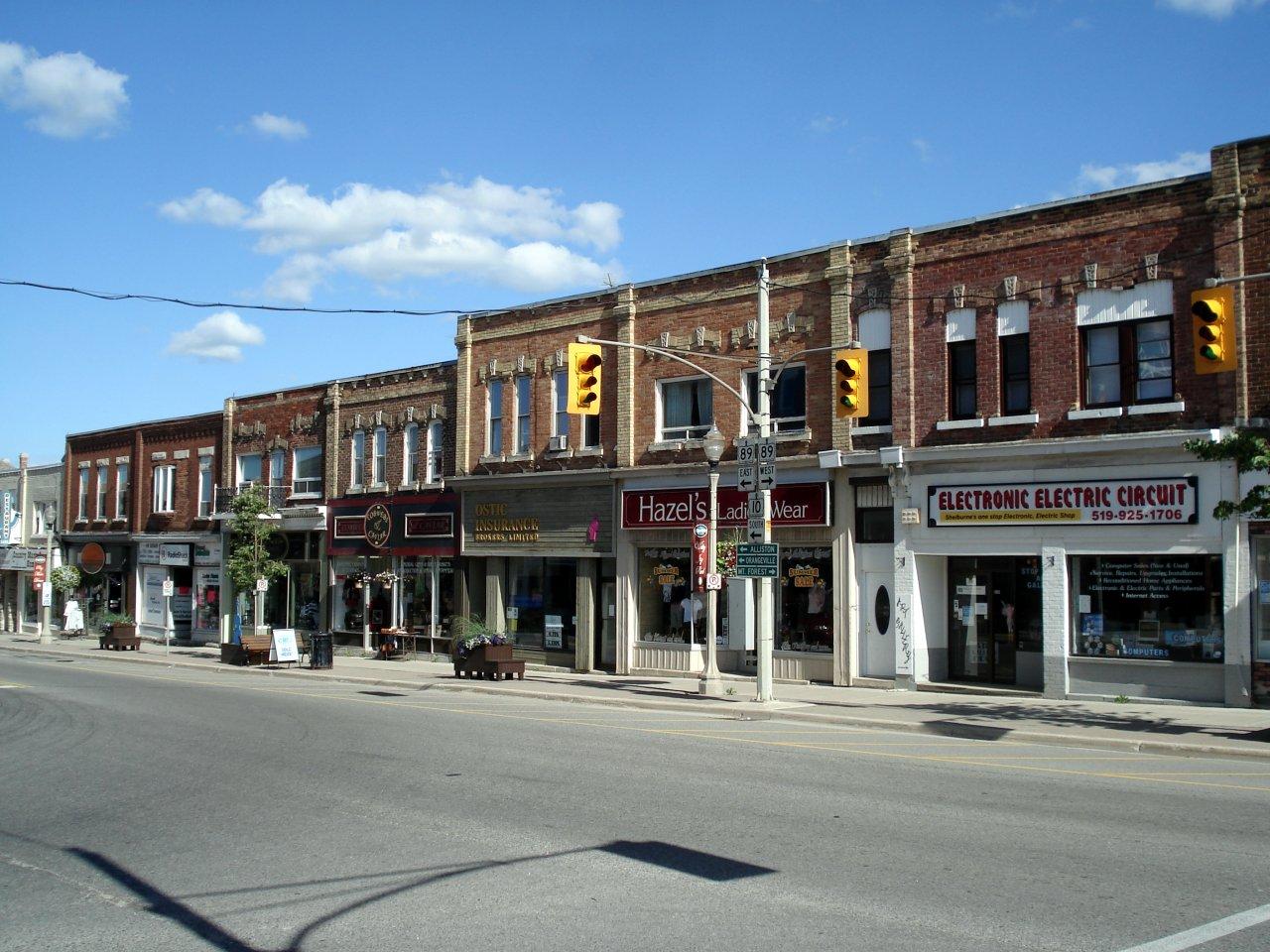
Dufferin sits at a hinge point: close enough to the GTA to feel its pressure, far enough to keep a rural backbone. Towns like Orangeville, Shelburne, and Grand Valley anchor retail and services. Mono, Mulmur, Amaranth, Melancthon, and East Garafraxa contribute agricultural and rural commercial uses, on-farm diversified businesses, and scattered light industrial. Highway 10 and Highway 89 carry traffic that matters for retail and highway commercial valuation, but they do not erase the local patterns that set rents and cap rates.
A typical week of fieldwork for a commercial appraiser in Dufferin County might involve:
- Inspecting a flex unit near Centennial Road, where a cabinet maker shares a block with a CrossFit gym, and vacancy depends on who moved up from Peel last quarter. Touring a Shelburne service plaza that added quick-serve food during the last growth spurt, with sales that lean on commuter traffic patterns rather than tourist peaks. Reconciling land value for a rural contractor’s yard with legal non-conforming status, where market participants price the risk differently than a textbook suggests.
These are not edge cases. They are the bread and butter of commercial real estate appraisal in Dufferin County. A commercial appraiser grounded here knows when a GTA comparable can be bridged with appropriate adjustments, and when that bridge collapses under different tenant profiles and lender expectations.
The data advantage you only get from local appraisers
Every appraiser searches for comparables, but the hard part is not the search. It is the judgment call on what actually compares once you peel back the municipal roll numbers. Two buildings can share square footage and age and still diverge on the essentials that drive income and risk.
Local commercial property appraisers in Dufferin County build files on landlords who quietly roll leases, plazas that underreport recoveries, and industrial units where the tenant pays utilities directly even though the lease says otherwise. They track soft information, the kind that does not flow cleanly into a citywide database but influences value more than a decimal point or two.
Consider a small industrial condo near C Line. MLS shows a sale price and a square footage. A good appraiser will know it was a partial interest transfer between related companies, that the vendor take back was not arm’s length, and that the shared parking arrangement has a registered easement with maintenance obligations that trimmed the real yield. Without those footnotes, you could anchor to the wrong price per square foot and miss by a wide margin.
On income properties, the best locals keep rent rolls by use category. They separate service industrial with intermittent noise or dust from clean flex uses that command a premium. They know where cannabis retail actually stabilized post rollout and where landlords still sit on dark bays. A single misread on market rent, even by 0.50 to 1.00 per square foot, can swing value by 5 to 10 percent when you capitalize that income.
Zoning, official plans, and permissions that alter value
Zoning in Dufferin is not a uniform stamp. Town of Orangeville bylaws treat drive-throughs, automotive uses, outdoor storage, and contractor yards differently from rural townships. On-farm diversified uses under provincial policy arrive with caps on area and must be compatible with agriculture. A developer who assumes an urban standard for parking or access can lose months at Committee of Adjustment.
A commercial real estate appraisal in Dufferin County that properly weighs highest and best use must resolve real questions:
- Can the existing shop in a rural commercial zone expand without triggering site plan control or an expensive stormwater retrofit? Will a mixed use conversion on Broadway add more value as improved income today, or as vacant possession for a boutique long-term? Does a gas station on Highway 10 retain optimal utility with electric vehicle charging, or do site constraints and transformer placement cap the upside?
These questions are not academic. They reorder the valuation approach. If a local commercial appraiser in Dufferin County concludes that the current use is not the highest and best use under a likely and legally permissible scenario, the weight shifts from the income approach to a blend with land value, estimated demolition or retrofit costs, and developer profit. Accuracy here depends on current knowledge of approval timelines and realistic costs from local consultants and contractors.
Price signals that depend on place
Cap rates in Dufferin do not track Toronto in lockstep. For stabilized, well located small retail or clean industrial, you might see cap rates in the broad range of roughly 5.75 to 7.5 percent, depending on tenant quality, term, and inflation expectations. Older product with functional issues or rural location can push beyond that. A well-designed highway commercial site with proven fuel sales may compress. The point is not to fixate on a number, but to understand what pushes a given asset within or outside the range.
Rents deserve the same treatment. A second generation inline unit on Broadway with limited ceiling height will not command what a high-bay flex space on Centennial Road achieves, even if both sit at 3,000 square feet. In Shelburne, tenant mix and co-tenancy within a center have outsized influence because daily shopper traffic responds to convenience first, variety second. In Grand Valley, turnover is sparse and a single expiring lease can move an entire micro market. The local commercial appraiser who has watched these spaces trade hands and re-tenant knows which broker flyers turned into actual deals and which fell apart at conditional phase.
Real costs and timelines that shave or add value
Construction and retrofit costs in Dufferin run on a different calendar than in core GTA markets. Winter logistics can add premiums. Trades availability tightens during seasonal peaks. Municipal review timelines are often steady but not uniform, with engineering comments that hinge on site specific drainage or access issues. A valuation that swaps in generic GTA allowances for tenant improvements, life safety upgrades, or accessibility retrofits will misprice risk.
Local commercial appraisal services in Dufferin County tend to model costs based on current quotes from area contractors and recent projects, then layer on contingency that matches what actually happens on rural or small town sites. That detail helps when you are valuing a project mid-renovation or negotiating holdbacks with a lender who wants comfort that the budget will cover the last 15 percent of work.
Agricultural adjacency and on-farm commercial uses
Dufferin’s farm economy meets commercial property at dozens of touchpoints: farm equipment dealers, feed mills, farmgate retail, small food processing, storage barns with leasing potential, and on-farm diversified uses like seasonal markets or workshops. The value question turns on more than square footage. You have to understand nutrient management plans, traffic counts on county roads, seasonal peaks, and how conservation authority policies may restrict expansion or hardscaping.
Commercial appraisers who regularly work in Melancthon, Amaranth, and https://jsbin.com/?html,output East Garafraxa know how lenders underwrite these assets. Some banks treat them as special purpose. Others slot them into standard commercial with adjusted loan to value. The appraisal must explain where the value sits on that spectrum and why, with comparables that do not look absurd to someone who actually buys and sells these properties.
Development land, severances, and the long view
Land is its own chapter. Dufferin’s supply is constrained by policy and geography. Intensification targets, rural lot creation rules, and servicing availability shape value far more than a simple per acre average. In Shelburne, timing matters because absorption ebbs and flows with commuter preferences and new product launches. In Orangeville, servicing capacity and phasing can delay a project beyond the point where a pro forma shows equity returns.
A local commercial real estate appraisal in Dufferin County will often bracket land value with at least two lenses: direct comparables adjusted for servicing and permissions, and a residual land value that runs a modest pro forma with realistic margins and timeframes. Those timelines should reflect lived approvals in the county, not a best case lifted from a different municipality. Six months added to approvals, or a 1 percent difference in exit cap, can erase millions on larger sites. Even for smaller commercial parcels, misreading timing creates false comfort.
Why credibility with local stakeholders is not a soft benefit
If you are ordering an appraisal for financing, power of sale, capital gains, or tax appeal, the quality of the report and the appraiser’s reputation determine how it lands with stakeholders. Lenders active in Dufferin often keep lists of approved or preferred firms. Municipalities and assessment tribunals look for reports that speak plainly to local facts and can withstand cross examination. A report laced with comparables from Mississauga or Brampton, without robust adjustments and a clear rationale for using them, tends to draw scrutiny.
Experienced commercial property appraisers in Dufferin County write for this audience. They know the questions that surface at credit committee and at the Assessment Review Board. They choose methodology and depth of analysis to fit the file, whether that is a short form for a small refinance or a narrative report with full income and sales reconciliation for litigation. That fit saves time. It also avoids re-trades, conditional extensions, or the costly request to redo the work with someone the lender trusts.
Case notes from the field
A mixed use building on Broadway, Orangeville. The owner wanted to refinance after renovating second floor apartments and re-tenanting a main floor café. An out-of-area appraiser pulled retail rents from Caledon and applied a blended cap rate that looked plausible on paper. The number underwhelmed the owner. A local commercial appraiser adjusted the retail rent downward to reflect actual foot traffic and the narrower patio license, but recognized that the renovated apartments were now at market and fully stabilized. The income approach rose on the residential side, fell slightly on the commercial, and the net effect was a higher value with stronger support. The lender accepted without question, and the file closed in time to capture a rate hold.
A contractor’s yard in Amaranth with shop and outdoor storage. The owner faced a property tax assessment that assumed industrial utility without factoring limited access during spring thaw and site drainage constraints. The local commercial appraisal mapped comparable sales of similar yards along county roads with seasonal restrictions, then built a cost approach that captured the modest quality of improvements and the premium for outdoor storage in that submarket. The municipality reviewed the evidence, and the assessment was reduced, bringing taxes back in line with market.
A Shelburne highway commercial pad with a fuel component. The investor expected a GTA-style valuation anchored on compressed cap rates for fuel retail. The local appraiser pulled data on seasonal traffic swings, realistic store sales per square foot, and margins that matched actual operators in the area. The result was a cap rate that sat higher than the investor hoped, but the analysis helped renegotiate the price before conditions expired. Painful in the moment, profitable over the hold.
When to insist on a local commercial appraiser
- You need commercial appraisal services in Dufferin County for a lender who regularly finances assets here and cares about local comparables and methodology. The property involves rural or on-farm diversified uses where zoning nuance and seasonal access matter. The valuation hinges on local rent rolls, small market vacancy, or cap rate judgement that does not map neatly from the GTA. There is a dispute or litigation context, including expropriation, tax appeal, or partnership buyout, where credibility and testimony may be needed. Development timing, servicing, or approvals are central to the value, and generic timelines could mislead.
Choosing the right commercial appraiser in Dufferin County
Not every appraiser with a 519 number will be your best fit. Look at the work they do and where they do it most often. Ask how many commercial files they have closed in Orangeville, Shelburne, and the townships in the last year. Ask which lenders accept their work. For development or special purpose assets, ask about experience with municipal planners and engineering departments. If they cannot name the corridors and centers where your comparables will likely come from, keep calling.
Experience should come with boundaries. A strong local appraiser will tell you when the evidence is thin, when a rent assumption carries risk, or when the market is moving faster than closed sales can document. That candor is not a weakness. It is your map for negotiation and your hedge against surprises at closing.
Scope, methodology, and the kind of detail you should expect
For income producing properties, expect a full income approach with:
- A clearly sourced market rent matrix that shows achieved rents, not just asking. Vacancy and collection loss benchmarks pulled from actual local performance. Expense normalization that reflects how owners operate in this market, including snow, HVAC maintenance, and septic in rural cases. A supportable cap rate discussion that ties back to local sales and investor sentiment.
The sales comparison approach should not just list numbers. It should tackle rights conveyed, atypical financing, vendor take back terms, vacancy at sale, and any non-realty components. In rural or special use cases, the cost approach can anchor the lower bound, but it should lean on current local costs and depreciate with judgment tied to actual physical and functional obsolescence.
Timelines, fees, and what drives them up or down
Most commercial real estate appraisal in Dufferin County for standard assets can be delivered in roughly one to three weeks once site access and documents are in hand. Development land, litigation files, or portfolios take longer. Fees vary with complexity, report type, and turnaround. If a fee quote is dramatically lower than others, check the scope. You may be getting a restricted use report that a lender will not accept, or a thin set of comparables that looks fine until someone tests it.
Provide what your appraiser needs early: rent rolls, leases, recent capital expenditures, environmental and building reports, site plans, and any correspondence with municipal staff. The more complete the file, the faster the analysis, and the fewer assumptions the appraiser has to make.
Seasonal realities and the practical eye test
Snow banks block sightlines in January. Puddles reveal grading issues in April. Patio seating that supports summer café income disappears after Thanksgiving. Local commercial property appraisers in Dufferin County schedule inspections and, where needed, follow up visits to make sure seasonal quirks do not distort the conclusion. When inspecting rural sites, they will ask about spring access, frost heave, and where the property holds water after a heavy rain. It is the difference between assuming and seeing.
Risks of getting the value wrong
You risk more than pride. An inflated appraisal on a small plaza can saddle you with a refinance that barely covers debt service once a tenant vacates and you chase backfill at a lower rent. An undervalued industrial building can cost you a sale to a buyer who knew the submarket better. On land, mistiming approvals can erase profit even if the per acre price looked right at purchase. In disputes, a weak report invites a challenge that stretches timelines and fees.
The market forgives honest unknowns. It does not forgive sloppy assumptions. That is why the right commercial appraiser in Dufferin County earns their keep.
Where outside expertise helps and how to blend it
There are times when an out-of-area specialist adds value. Unique hospitality assets, large purpose built healthcare, or complex expropriation cases that require niche expertise can justify bringing in a specialist from a larger center. The best outcome often pairs that specialist with a local appraiser. The specialist leads on methodology and precedent, the local provides ground truth on rents, sales, and permissions. Lenders and tribunals recognize the strength of that partnership.
A pragmatic path forward
If you are preparing to order a commercial property appraisal in Dufferin County, start with clarity. Define the purpose, the stakeholders, and the decision the report has to inform. Gather leases, operating statements, site and building documents, and any municipal correspondence. Shortlist commercial property appraisers in Dufferin County who can show recent, relevant work and who are accepted by your lender or the forum you face. Speak openly about timelines and risks. A strong local appraiser will not promise what the evidence cannot deliver.
Value, in the end, is a story told with numbers. In a county where main street coexists with machine shop, where farm fields hem in plazas, and where winter changes the logistics of everything, the storyteller should know the roads by heart. That is the advantage you buy when you hire local. It shows up in a tighter range, a cleaner negotiation, and a result that holds when tested. For most owners, buyers, and lenders, that is the difference that matters.